
Born in Padua on February 7, 1937, at just eleven he firmly declared his wish to enter the seminary. In 1948 he began his training at the Montfort Fathers' institute in Redona (Bergamo). After years of study and religious formation, on March 30, 1963 he was ordained a priest in Rome.
For some years he worked as a teacher and vocations promoter. But his wish was to leave as a missionary. He asked to go to Peru. Instead, out of obedience, he was sent to Malawi.
On February 20, 1971, Father Lorenzo boarded the ship “Africa” and sailed around the continent. After landing in Mozambique, he took a train to Malawi and arrived in Blantyre, on the shores of Lake Nyasa.
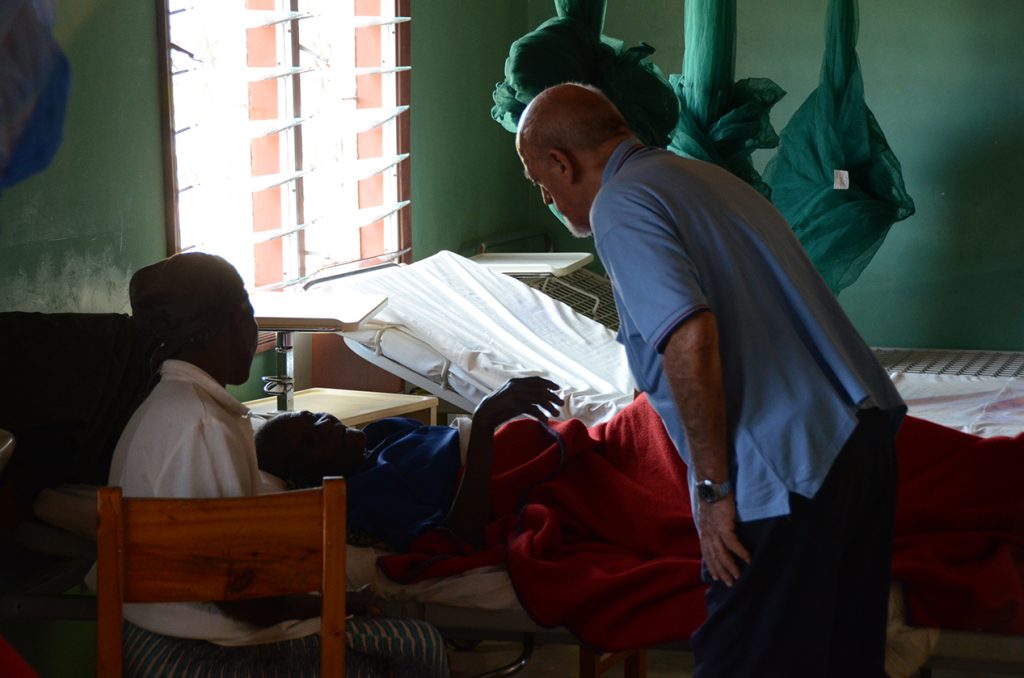
His first mission was the Utale leprosarium: a facility taking its very first steps to offer people with leprosy decent accommodation and the care they needed. For Father Lorenzo it was a demanding baptism of fire, which he met with the enthusiasm that would mark his whole life.
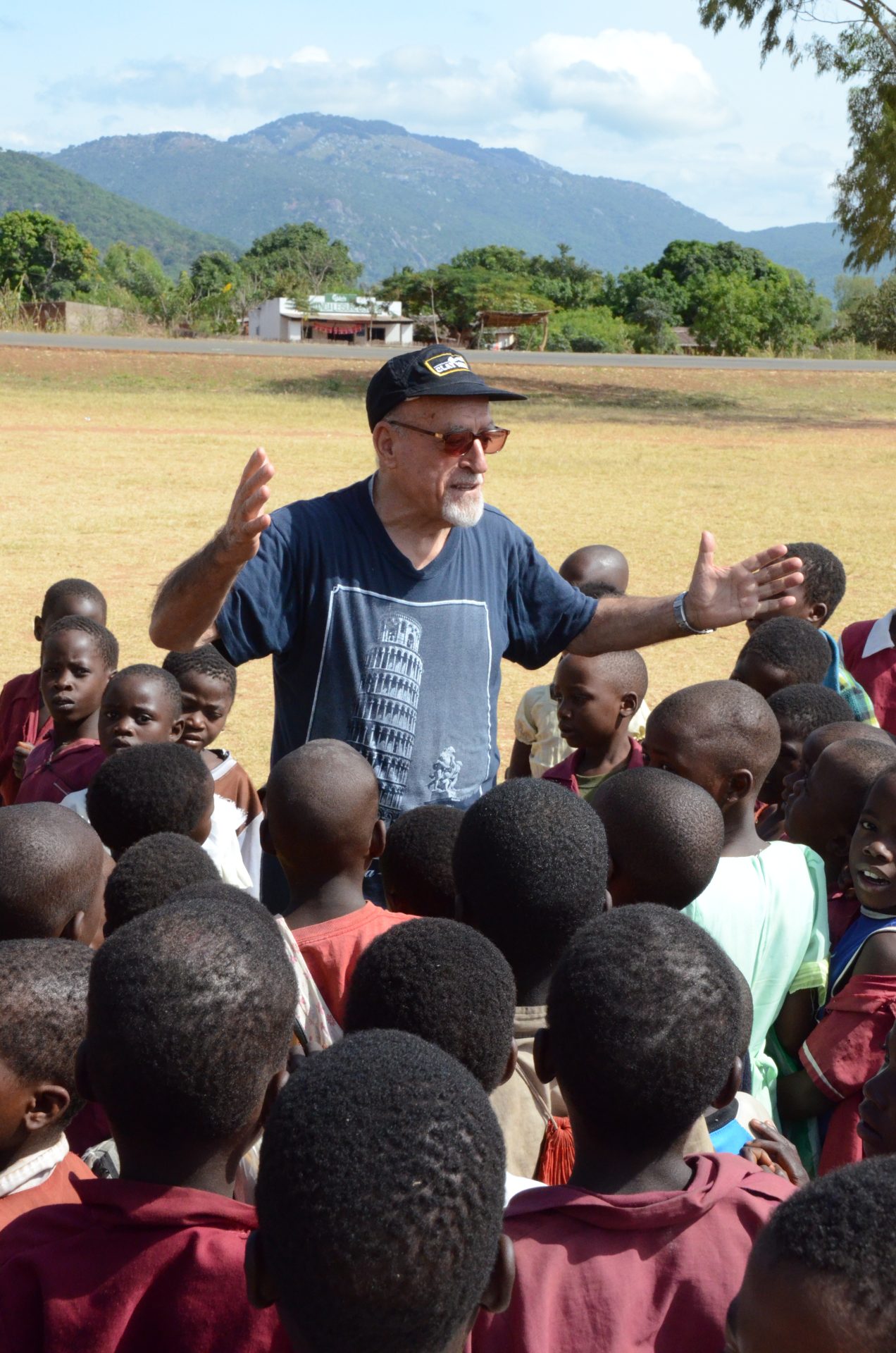
In just three years he became fluent in Chichewa — which allowed him to move freely and to understand the people, their needs and their customs. For almost thirty years he went around the missions of the Diocese of Mangochi, building dispensaries, wells, schools and churches. Winning converts, but above all building human relationships.
"I am content and happy in my missionary life. There is so much work... Visiting the Christians, the sacraments, Holy Mass even under a mango tree make me happy. I love talking about God; I get enthusiastic, I get moved. They never tire, and they tell me to keep going..."
Father Lorenzo
In 1993 the Bishop of the Diocese of Mangochi asked him to found a new mission in Masuku, a village on the Namwera plateau, near the border with Mozambique.
It was a beautiful and very harsh area, with no health facilities at all. Father Lorenzo could not ignore what he saw every day: children dying of treatable diseases, women giving birth without assistance, elderly people who never got to see a doctor. Those who tried to reach the nearest hospital — 80 km away along African roads — often arrived too late.
"How could I preach the Gospel to people who are hungry?"
Father Lorenzo
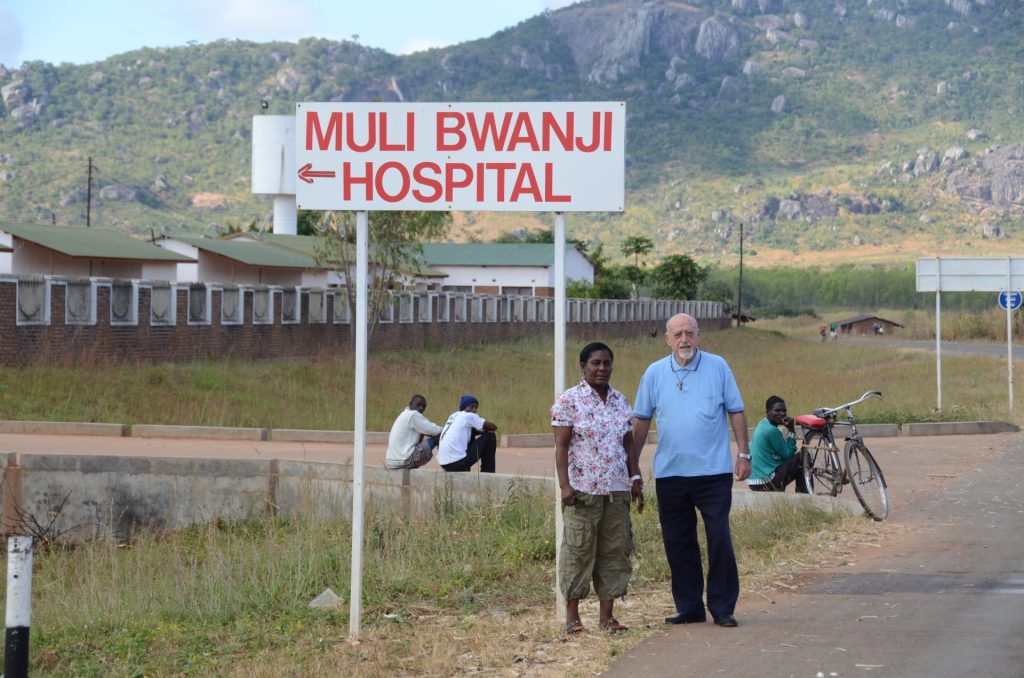
In the 2000s, at sixty-three, Father Lorenzo began building what he himself called “The Miracle of Love”: the Muli Bwanji Hospital in Masuku.
He had no guaranteed funding. He had his tenacity, his faith in Providence, and the generosity of thousands of people in Italy who answered his letters. Every evening, after a day on the building site and in his pastoral work, Father Lorenzo would sit down and write by hand to each of his benefactors — to thank them, to update them, to keep them close to what he was building together with them. Thousands of letters, one by one.
From 2002 to 2009 — the year of the official inauguration — the dispensary had become a Community Hospital recognized by the Malawi Ministry of Health. But Father Lorenzo did not stop: straight away he laid the foundation stone of the new maternity unit, the staff housing and the building for the nuns who would carry on his work.
"A missionary can never think of owning what he has done, nor dwell too long on the initiatives, even the most worthwhile and constructive ones, that have made him important in the eyes of his people."
Father Lorenzo
In February 2017, his health — fragile for many years — forced him to return to Italy. He passed away onSeptember 8, 2017. But before leaving, he left words that still resonate:
"A missionary can never think of owning what he has done, nor dwell too long on the initiatives, even the most worthwhile and constructive ones, that have made him important in the eyes of his people."
Father Lorenzo
Today his memory lives on in the hearts of those who knew him — in Italy and in Malawi. And it lives on in the hospital that, every day, keeps asking its people: Muli Bwanji. How are you?